The Resurgence of Bold: Why Heavy Block is Redefining Modern Visual Communication
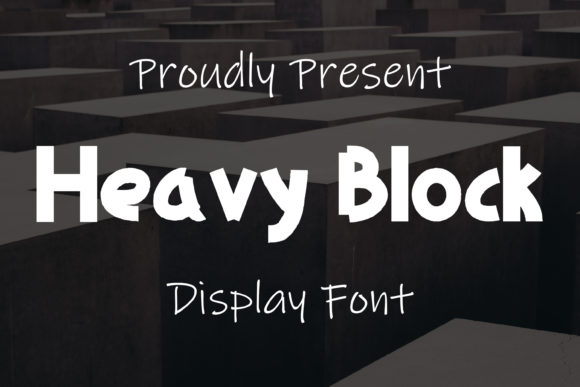
In an era dominated by digital minimalism, micro-interactions, and the seamless integration of user experience across platforms, a distinct shift is occurring in the realm of graphic design. While clean lines and subtle gradients have held court for over a decade, there is a palpable hunger for weight, presence, and unapologetic clarity. Enter Heavy Block, a cool, chunky lettered display font that has rapidly become a favorite among designers seeking to make an immediate impact. This is not merely a typographic choice; it is a strategic tool for capturing attention in an increasingly fragmented media landscape.
Defining the Aesthetic: More Than Just Thick Letters
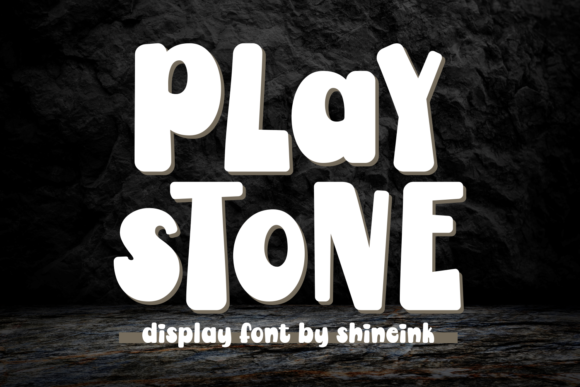
To understand the rise of Heavy Block, one must first look at its structural DNA. Unlike traditional serif or sans-serif typefaces that prioritize readability at small scales, this font is designed specifically for display purposes. It is characterized by its substantial stroke width, uniform geometry, and robust visual weight. The term "block" suggests solidity, while "heavy" implies authority. Together, they create a typographic voice that speaks before a single word is read.
This font style does not whisper; it announces. Its design philosophy aligns with the concept of "visual shouting," where the goal is to cut through the noise of social media feeds, crowded billboards, and cluttered web interfaces. For professionals and creators, Heavy Block offers a solution to the problem of homogenization. In a market saturated with similar-looking corporate branding, a chunky, distinctive typeface provides an instant differentiator. It transforms text from a vehicle for information into a primary element of visual art.
The Market Shift: From Subtlety to Substance
The popularity of fonts like Heavy Block is not an isolated trend but rather a symptom of broader changes in consumer behavior and marketing strategies. We are witnessing a move away from the "flat design" era, which favored low-fidelity aesthetics and muted colors, toward a more tactile, bold, and expressive visual language. This shift is driven by several key factors:
- Attention Scarcity: With users scrolling through content at breakneck speeds, designs have less than a second to capture interest. Bold typography acts as a visual anchor, stopping the scroll.
- Nostalgia and Authenticity: There is a growing preference for design elements that feel raw, human, and authentic. Chunky lettering often evokes a sense of hand-crafted quality or retro-modern nostalgia, resonating with audiences tired of polished, algorithmic perfection.
- Mobile-First Impact: As screens shrink, large-scale typography remains legible and impactful on mobile devices, whereas intricate details may be lost. Heavy Block ensures that the message is clear regardless of the viewing device.
For entrepreneurs and marketers, this represents a significant opportunity. By integrating Heavy Block into their visual identity, they can communicate strength, reliability, and confidence. It is particularly effective for industries such as fitness, construction, automotive, and streetwear, where physical presence and durability are core brand values.
Practical Applications in Design Workflows
The versatility of Heavy Block lies in its ability to adapt to various contexts without losing its core character. Here is how industry professionals are leveraging this font to enhance their projects:
Poster and Flyer Design
Traditional print media is experiencing a renaissance, largely due to the rise of independent events, local markets, and niche communities. In these spaces, posters and flyers must compete for space on physical walls and digital shares alike. Heavy Block excels here because its high contrast against backgrounds ensures maximum visibility. When designing a flyer for a music festival or a product launch, using Heavy Block for the headline creates an immediate hierarchy. It tells the viewer what is important before they even process the supporting details. The chunky nature of the letters allows for creative manipulation—stretching, distorting, or layering them to create dynamic compositions that feel energetic and modern.
Digital Branding and Social Media
Social media platforms are visual battlegrounds. Instagram stories, TikTok overlays, and YouTube thumbnails require text that is readable within milliseconds. Heavy Block’s simplicity makes it ideal for these formats. Marketers are using it to create quote cards, announcement graphics, and promotional banners that stand out in a feed filled with soft pastels and delicate scripts. Furthermore, when used in motion graphics, the solid forms of Heavy Block hold up well under animation effects, maintaining their integrity during transitions and zooms.
Merchandise and Apparel
The demand for branded merchandise continues to grow, driven by the desire for community and identity. Whether it’s t-shirts, tote bags, or stickers, the printability of Heavy Block is a major advantage. Its simple geometric shapes translate cleanly to screen printing, embroidery, and vinyl cutting. This reduces production costs and errors while ensuring that the final product looks sharp and professional. For freelancers and small business owners, this means higher margins and happier customers who appreciate the bold aesthetic.
Connecting to Broader Creative Trends
The use of Heavy Block is part of a larger movement towards "anti-design" or "neo-brutalism." These styles reject conventional beauty standards in favor of raw, functional, and sometimes jarring aesthetics. They embrace imperfection, bold colors, and thick borders. In this context, Heavy Block serves as the typographic backbone of this movement. It complements other design elements like harsh shadows, bright accent colors, and grid-breaking layouts.
Moreover, this trend reflects a changing expectation in the workplace and creative industries. Professionals are no longer satisfied with generic templates. They seek tools that allow for personal expression and unique storytelling. Heavy Block empowers designers to break free from the constraints of standard corporate palettes and fonts. It encourages experimentation and risk-taking, fostering a culture of innovation. For agencies and studios, adopting such bold typographic choices signals to clients that they are forward-thinking and willing to challenge norms.
Strategic Considerations for Implementation
While the appeal of Heavy Block is undeniable, its effectiveness depends on thoughtful application. Overuse can lead to visual fatigue, making the design feel aggressive rather than authoritative. To mitigate this, designers should consider the following best practices:
- Pairing is Key: Balance the heaviness of the display font with lighter, more readable body text. A clean sans-serif or a delicate serif can provide the necessary contrast, allowing the Heavy Block headlines to shine without overwhelming the reader.
- White Space Management: Give the bold letters room to breathe. Crowding heavy text can make it difficult to read and visually chaotic. Ample white space enhances the impact of each character.
- Color Psychology: Use color strategically. High-contrast combinations, such as black on white or neon on dark backgrounds, amplify the boldness of the font. However, ensure that accessibility standards are met to maintain inclusivity.
- Contextual Relevance: Not every project requires a heavy block approach. Reserve this font for moments that demand emphasis, such as call-to-action buttons, main headlines, or special announcements. Using it for long-form content will hinder readability and user experience.
The Future of Bold Typography
As technology evolves, so too will the ways we interact with typography. Advances in variable fonts and AI-driven design tools are opening new possibilities for dynamic type. Imagine a version of Heavy Block that adjusts its weight in real-time based on user interaction or screen size. While current iterations are static, the principles behind Heavy Block—clarity, impact, and memorability—are timeless.
The enduring relevance of this font style lies in its ability to communicate fundamental human emotions: power, urgency, and certainty. In a world that feels increasingly uncertain, bold visuals offer a sense of stability and direction. For creators and businesses, embracing this aesthetic is not just about following a trend; it is about connecting with audiences on a deeper, more visceral level.
Conclusion
Heavy Block is more than just a font; it is a statement. It represents a departure from the subtle and a return to the substantial. For professionals, creators, and entrepreneurs, it offers a powerful tool to elevate their designs, engage their audiences, and stand out in a crowded marketplace. By understanding its strengths and applying it with strategic intent, you can unlock its endless possibilities. Whether you are designing a poster, a website, or a brand identity, incorporating Heavy Block can add a layer of depth and distinction that resonates with viewers. Explore its potential, experiment with its form, and let your designs speak with the weight and clarity they deserve.