Big Bloom: Why This Bubbly Display Font Is the Secret Weapon for Playful Design
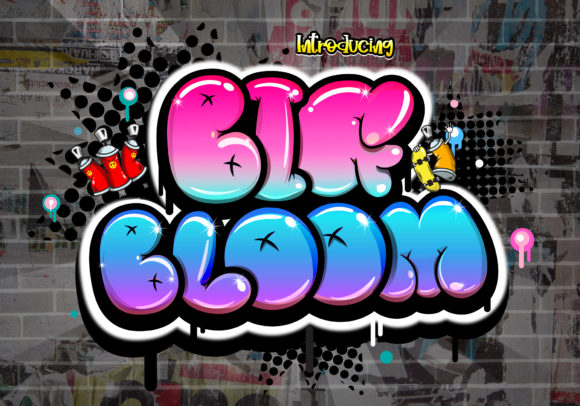
Let’s be honest: design fatigue is real. When you are staring at a blank canvas, trying to convey warmth, energy, or childlike wonder, standard sans-serifs can sometimes feel a bit too corporate. They are clean, yes, but they lack personality. That is exactly where Big Bloom steps in. It isn’t just another decorative typeface; it is a specific mood in letterform. With its cool-looking, bubbly structure, Big Bloom embodies playfulness and authenticity without tipping into the realm of childish clutter.
If you are a creator, educator, or small business owner looking to add a touch of genuine joy to your projects, this font deserves a spot in your toolkit. It strikes a delicate balance between being eye-catching and remaining readable, making it a versatile choice for everything from school project covers to high-end commercial packaging.
The Personality Behind the Pixels
Before diving into use cases, it helps to understand what makes Big Bloom tick. The font is characterized by its rounded edges, generous spacing, and a slightly irregular, hand-drawn feel that suggests human touch rather than algorithmic precision. This "bubbly" aesthetic immediately signals approachability. In a digital landscape dominated by sharp lines and minimalist grids, Big Bloom stands out because it feels organic.
This authenticity is crucial. Consumers today, especially younger demographics, have a keen radar for fake or overly polished content. A font like Big Bloom says, "We made this with care," rather than "This was generated by a template." It brings a sense of fun that doesn't require shouting. Instead of using all caps and bright red colors to grab attention, you can let the typography itself do the heavy lifting.
Real-World Applications for Educators and Creators
The most obvious home for Big Bloom is in education, but let’s look beyond the generic "kindergarten poster." Teachers and homeschooling parents often struggle to make learning materials feel engaging rather than mandatory. Using Big Bloom for headers on science worksheets, history timelines, or reading lists can instantly shift the tone from academic drudgery to exciting discovery.
- School Projects and Presentations: Students often rely on basic fonts like Arial or Times New Roman. Encouraging them to use Big Bloom for title slides or poster boards can boost their confidence and make their work visually pop in a classroom full of similar submissions.
- Classroom Decor: Labels for cubbies, rules posters, or monthly theme headers become part of the learning environment. Big Bloom’s playful nature helps create a welcoming atmosphere that reduces anxiety for younger students.
- Educational Apps and Digital Learning: For developers creating apps for children, readability is key. Big Bloom offers large, distinct character shapes that help early readers distinguish letters, while its friendly demeanor keeps the user experience light and positive.
Marketing and Branding for Lifestyle Businesses
For entrepreneurs, particularly those in the lifestyle, wellness, or family-oriented sectors, Big Bloom is a strategic asset. If you run a boutique bakery, a children’s clothing line, or a local yoga studio focused on families, your visual identity needs to reflect your values. Big Bloom communicates warmth and community.
Consider a scenario where you are designing a menu for a cafe that serves healthy snacks for kids and adults. A rigid, geometric font might feel sterile. Big Bloom, paired with soft pastel colors, can make the menu feel inviting and safe. It tells the parent, "This place understands children," before they even take a bite.
Similarly, bloggers and content creators in the parenting niche can use Big Bloom for featured images or pull quotes. It breaks up text blocks effectively and adds a visual rhythm that encourages scrolling. It works exceptionally well for social media graphics where you need to stop the scroll in a crowded feed. A quote about "finding joy in the little things" set in Big Bloom feels more personal and relatable than one in a standard serif.
Commercial Packaging and Print Materials
One area where typography directly impacts sales is packaging. Shelf space is competitive, and consumers make split-second decisions based on visual cues. Big Bloom’s bold, bubbly presence ensures that your product name is not just seen, but felt. It works particularly well for products that want to emphasize natural ingredients, handmade quality, or fun experiences.
Imagine a brand launching a new line of organic fruit snacks. The packaging could feature Big Bloom for the main logo, conveying that the product is fun and kid-approved, while a cleaner, simpler font handles the nutritional information. This hierarchy guides the eye: first, the emotion (fun/healthy), then the facts. It’s a practical application of design psychology.
For event planners, Big Bloom is invaluable for invitations, banners, and signage. Whether it’s a birthday party, a community fair, or a corporate team-building event with a casual vibe, the font sets the stage. It removes the stiffness of formal events and replaces it with an atmosphere of celebration. You don’t need expensive custom calligraphy when Big Bloom provides that same bespoke feel at a fraction of the cost and time.
Digital Design and User Experience
In the realm of web and app design, Big Bloom serves as a powerful display tool. While it should generally be avoided for long-form body text due to its decorative nature, it excels in headlines, buttons, and navigation elements. For example, a "Sign Up" button on a children’s educational website using Big Bloom feels like an invitation rather than a command.
Freelance designers often face the challenge of differentiating their work from competitors who use the same popular templates. Incorporating a unique font like Big Bloom into a brand identity package can give a client a distinctive voice. It allows brands to express creativity without sacrificing professionalism, provided it is used correctly—primarily for emphasis and display, not dense paragraphs.
Practical Considerations Before You Download
While Big Bloom is a fantastic tool, successful design requires intentionality. Here are a few things to keep in mind to ensure you get the best results:
- Pairing is Key: Because Big Bloom is so expressive, it needs a quiet partner. Pair it with a neutral sans-serif or a simple serif for body text. This contrast prevents visual clutter and ensures your message is clear. Think of Big Bloom as the lead singer and the other font as the backing band.
- Color Matters: The bubbly nature of the font amplifies color. Bright, saturated colors will enhance the playful vibe, while muted tones can create a sophisticated, modern look. Experiment with both to see which aligns with your brand’s emotional goals.
- Whitespace is Your Friend: Don’t cram Big Bloom text together. The font relies on its shape and spacing to shine. Give the letters room to breathe. Tight tracking can make the bubbles merge into an unreadable blob, destroying the effect.
- Audience Alignment: Ensure the font matches your target audience. If you are designing for a law firm or a financial institution, Big Bloom is likely inappropriate. But for startups, creative agencies, schools, and family brands, it is almost perfect.
Ultimately, Big Bloom is more than just a font; it is a communication strategy. It tells your audience that you value connection, fun, and authenticity. In a world that often feels serious and fast-paced, offering a moment of visual playfulness can be a powerful way to engage people. Whether you are printing a flyer for a local bake sale or designing a global e-commerce store, Big Bloom offers a reliable, cheerful voice that resonates with people across generations. It’s a small detail that makes a big difference.