Bigola: The Bold, Trendy Display Font for Modern Design
In the fast-paced world of visual communication, first impressions are everything. Whether you are designing a poster, crafting a social media graphic, or laying out a brand identity, the typeface you choose sets the tone before a single word is read. Enter Bigola, a cool, bold, and trendy lettered display font that has quickly become a favorite among designers who need to make a statement without sacrificing readability or style.
This isn't just another generic sans-serif or serif. Bigola brings a distinct personality to the table—a blend of retro charm and contemporary edge that works exceptionally well in digital and print media alike. If you are looking to elevate your projects with a font that commands attention, understanding its unique features and applications is key to leveraging its full potential.
What Makes Bigola Stand Out?
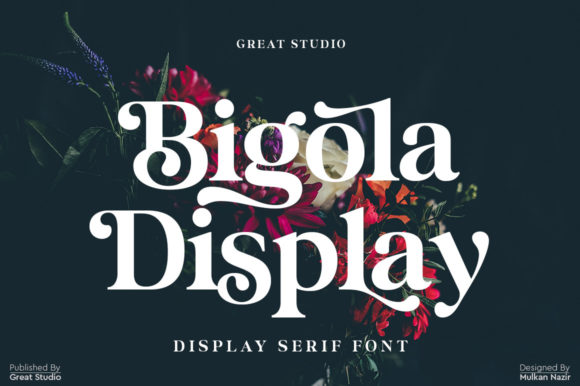
At its core, Bigola is a display font, meaning it is designed to be used at larger sizes where its intricate details and stylistic flourishes can shine. It is not intended for long-form body text; rather, it is built for headlines, titles, logos, and short impactful phrases. Its "cool" factor comes from its slightly irregular, hand-drawn aesthetic that feels organic yet polished. This gives designs a human touch in an era where digital templates can often feel sterile.
The font’s strength lies in its versatility within the display category. While many bold fonts can feel heavy or aggressive, Bigola maintains a playful energy. It pairs well with minimalist layouts because it acts as a focal point, drawing the eye immediately. For entrepreneurs and marketers, this means less time spent adjusting layout elements to accommodate a loud headline—Bigola does the heavy lifting for you.
The Power of PUA Encoding
One of the most technical yet practical advantages of using Bigola is its PUA (Private Use Area) encoding. For those unfamiliar with typography jargon, this simply means that all the special glyphs, swashes, and alternate characters are mapped to unused Unicode slots. Why does this matter to you?
- Accessibility: You can access every single glyph and swash with ease. There is no need to hunt through complex OpenType menus or worry about missing characters in different software environments.
- Consistency: Because the characters are encoded directly into the font file, they behave like standard letters. This ensures that your design looks exactly the same whether you are working in Adobe Illustrator, Canva, Microsoft Word, or a web browser.
- Creative Freedom: Swashes and alternates allow you to customize the look of your text instantly. Want a more dramatic opening 'B' or a flourish on the tail of a 'g'? With PUA encoding, these options are readily available, giving you granular control over the aesthetic without needing multiple font files.
Practical Applications Across Industries
Bigola is not limited to one specific niche. Its adaptable nature makes it suitable for a wide range of users, from freelance bloggers to established corporate brands. Here is how different professionals can integrate Bigola into their workflow.
Branding and Identity
For business owners and freelancers, establishing a memorable brand identity is crucial. Bigola’s bold and trendy characteristics make it an excellent choice for logo design, especially for brands in creative industries such as fashion, food and beverage, entertainment, and lifestyle. A restaurant menu, a coffee shop sign, or a boutique clothing label can benefit from the font's warm, inviting, yet strong presence. It communicates confidence and approachability simultaneously.
Digital Marketing and Social Media
In the crowded landscape of social media, static images need to stop the scroll. Bigola’s high legibility at large sizes ensures that your message is clear even on small mobile screens. Marketers can use it for quote graphics, announcement banners, and promotional posts. The ability to easily swap in swashes allows for dynamic variations of the same campaign asset, keeping content fresh without reinventing the wheel.
Educational Materials and Publishing
Educators and publishers often struggle to find fonts that are engaging for younger audiences while remaining professional enough for academic contexts. Bigola strikes a balance here. It is fun enough to capture the interest of students in textbooks, worksheets, or educational apps, but structured enough to maintain credibility. Bloggers and content creators can use it for section headers to break up text and improve readability, guiding the reader through long-form articles with visual cues.
Personal Projects and Hobbies
Don’t underestimate the value of good typography in personal endeavors. Whether you are creating custom invitations for a wedding, designing t-shirts for a hobby group, or making scrapbook pages, Bigola adds a professional polish to DIY projects. The ease of access via PUA encoding means you don’t need advanced technical skills to create visually stunning results. Hobbyists can experiment with different combinations of regular and swash characters to create unique monograms or decorative text.
Considerations for Implementation
While Bigola is a powerful tool, like any design element, it requires thoughtful application to achieve the best results. Here are some practical tips to keep in mind when incorporating it into your work.
- Pairing Strategy: Because Bigola is a display font with significant visual weight, it should be paired with simpler, neutral typefaces for body text. Clean sans-serifs or classic serifs provide a stable foundation that allows Bigola to stand out without competing for attention.
- Whitespace is Your Friend: Give Bigola room to breathe. Due to its bold nature, crowding it with other elements can make the design feel cluttered. Ample whitespace enhances its impact and improves overall aesthetics.
- Color Contrast: Ensure high contrast between the font color and the background. The intricate details of the glyphs and swashes will be lost if the contrast is low. Dark text on light backgrounds or vice versa works best.
- Use Sparingly: Resist the urge to use Bigola for entire paragraphs. Reserve it for headlines, subheads, and key phrases. Overuse can lead to visual fatigue and reduce the effectiveness of the font as a focal point.
Why Bigola Enhances User Experience
Beyond aesthetics, typography plays a critical role in user experience (UX). Good typography guides the user’s eye, establishes hierarchy, and conveys emotion. Bigola contributes to a positive UX by providing clear visual hierarchy. When used correctly, it helps users scan content quickly, identifying important information amidst the noise. For websites and apps, this means faster comprehension and higher engagement rates.
Furthermore, the emotional resonance of Bigola can influence user perception. Its trendy and bold character suggests innovation, creativity, and modernity. Brands that want to project these qualities can leverage the font to align their visual identity with their messaging. This alignment builds trust and recognition, which are essential for long-term success.
Final Thoughts
Selecting the right font is a strategic decision that impacts every aspect of your design. Bigola offers a compelling solution for those seeking a display font that is both functional and fashionable. Its PUA encoding simplifies the technical side of typography, allowing you to focus on creativity and communication. Whether you are a seasoned designer or a beginner exploring the world of graphic design, Bigola provides the tools to create impactful, professional-grade visuals.
By understanding its strengths and applying it thoughtfully across various mediums, you can unlock new levels of expression in your projects. In a market saturated with content, standing out is not just an option—it is a necessity. Bigola gives you the edge you need to do just that.