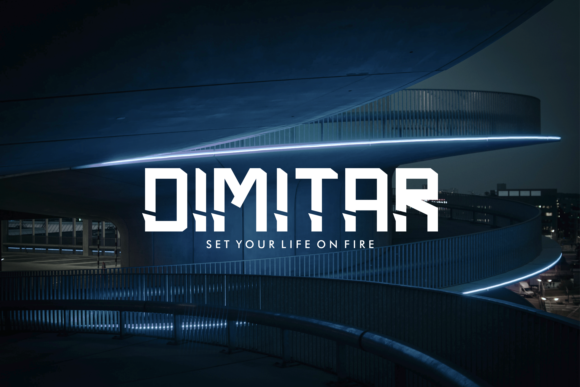
Dimitar Font Evaluation
In the landscape of contemporary typography, geometric sans-serif typefaces have maintained a persistent presence due to their clarity, modernity, and versatility. Among the numerous options available to designers, Dimitar has emerged as a distinct choice for those seeking a bold, futuristic aesthetic. Characterized by its strict geometric construction and high-impact visual weight, Dimitar is designed to command attention while maintaining structural integrity. This evaluation explores the specific attributes of the font, analyzing its suitability for various design contexts, its practical benefits, and the considerations necessary when integrating it into professional workflows.
Understanding the Design Philosophy of Dimitar
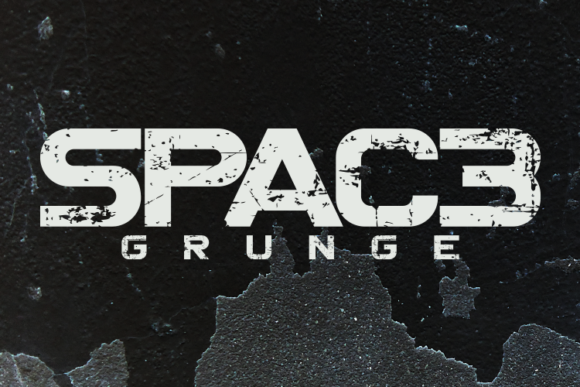
Dimitar is classified as a bold and futuristic display font. Its primary appeal lies in its geometric style, which prioritizes mathematical precision in letterforms over organic or humanist variations. The characters are constructed using consistent stroke widths and sharp angles, creating a sense of uniformity and order. This geometric purity gives the font an inherent "futuristic" quality, evoking associations with technology, innovation, and forward-thinking industries.
The term "display font" indicates that Dimitar is optimized for large sizes rather than extended body text. Display fonts are intended to be read at a glance, making them ideal for headlines, titles, posters, and branding elements where immediate visual impact is required. The bold weight of Dimitar ensures that it remains legible and dominant even from a distance, establishing a strong visual hierarchy in any composition.
Key Characteristics and Visual Impact
Several specific features contribute to the unique identity of Dimitar:
- Geometric Precision: The letters are built upon basic geometric shapes, such as circles and squares. This results in a clean, uncluttered appearance that aligns well with minimalist design trends.
- Bold Weight: As a heavy-weight typeface, Dimitar offers significant visual contrast against lighter elements. This makes it effective for creating focal points without the need for additional graphical embellishments.
- Futuristic Aesthetic: The sharp terminals and lack of serifs give the font a sleek, modern feel. It avoids historical references, positioning itself firmly in a contemporary context.
- Versatility within Niche Markets: While its style is specific, the geometric nature allows it to pair effectively with a wide range of complementary fonts, particularly those with neutral or humanist qualities.
Use Cases and Ideal Applications
Due to its distinctive character, Dimitar is not a universal solution for all typographic needs. However, it excels in specific scenarios where boldness and modernity are paramount.
Brand Identity and Logo Design
For startups, tech companies, or creative agencies looking to project an image of innovation and strength, Dimitar serves as a robust tool. Its bold presence can anchor a logo design, providing instant recognition. The geometric structure lends itself well to monochromatic or high-contrast color schemes often favored in corporate branding.
Marketing Materials and Advertising
In digital advertising, social media graphics, and print banners, space is limited and attention spans are short. Dimitar’s ability to convey a message quickly through its sheer visual weight makes it suitable for call-to-action buttons, promotional headers, and event posters. The futuristic vibe can help products associated with technology, gaming, or automotive industries stand out in crowded feeds.
Editorial Headlines
Magazines and online publications may use Dimitar for section headers or feature article titles. When paired with a more readable serif or sans-serif body font, Dimitar adds a layer of sophistication and modernity to the layout. It breaks the monotony of standard typographic choices and draws the reader’s eye to key content.
Tradeoffs and Limitations
While Dimitar offers clear advantages, designers must be aware of its limitations to avoid misuse.
Legibility in Small Sizes
As a display font, Dimitar is not suited for long paragraphs or small text sizes. The geometric forms, while aesthetically pleasing at large scales, can become difficult to read when scaled down. Using Dimitar for body copy will likely result in poor readability and user fatigue. It should always be reserved for headings, subheadings, or isolated words.
Overuse and Visual Fatigue
The bold, futuristic style is intense. Overusing Dimitar in a single design can create a visually aggressive experience that overwhelms the viewer. Effective design requires balance; therefore, Dimitar should be used sparingly to highlight specific elements rather than dominating the entire composition.
Lack of Versatility
While versatile in pairing, Dimitar does not fit every brand personality. It may be inappropriate for brands seeking warmth, tradition, or elegance. For example, a luxury heritage brand or a healthcare provider emphasizing care and comfort might find Dimitar too cold or mechanical. In such cases, a humanist sans-serif or a classic serif would be more appropriate.
Pairing Strategies
To maximize the effectiveness of Dimitar, thoughtful pairing with other typefaces is essential. Since Dimitar provides strong visual weight and geometric structure, it pairs well with fonts that offer contrast in weight or style.
- Neutral Sans-Serifs: Pairing Dimitar with a simple, neutral sans-serif like Helvetica or Arial creates a clean, professional look. The simplicity of the secondary font allows Dimitar to shine without competition.
- Humanist Sans-Serifs: Fonts with slightly more organic curves can soften the rigidity of Dimitar’s geometry. This combination can add approachability to a futuristic headline.
- Serif Fonts: For editorial designs, pairing Dimitar with a traditional serif font creates a striking contrast between modern boldness and classic elegance. This juxtaposition can be highly effective in fashion or lifestyle publications.
Decision-Making Insights for Designers
When evaluating whether Dimitar is the right choice for a project, consider the following questions:
- What is the primary goal of the design? If the goal is to grab attention quickly and convey a modern, tech-forward message, Dimitar is a strong candidate. If the goal is to provide detailed information or evoke warmth, alternatives should be considered.
- Where will the font be displayed? Ensure that the application allows for sufficient size and spacing. Dimitar performs best in environments where it can breathe and be viewed at a larger scale.
- Does it align with the brand voice? Assess whether the futuristic, geometric aesthetic matches the brand’s identity. Consistency between visual style and brand values is crucial for effective communication.
- How will it be balanced? Plan for complementary typefaces and design elements that support rather than compete with Dimitar’s bold presence.
Conclusion
Dimitar stands out as a compelling option for designers seeking a bold, geometric, and futuristic typeface. Its strengths lie in its ability to command attention and convey modernity, making it ideal for display purposes in branding, marketing, and editorial contexts. However, its limitations regarding legibility at small sizes and its specific aesthetic require careful consideration. By understanding these factors and employing strategic pairing and placement, designers can leverage Dimitar to create impactful, visually engaging designs that resonate with their target audience. Ultimately, the decision to use Dimitar should be driven by the specific needs of the project and the desired emotional response from the viewer.