Evaluating Candy Mood: A Practical Guide to Using Quirky Display Fonts in Modern Design
In the landscape of digital and print typography, selecting the right typeface is often a balance between aesthetic appeal and functional clarity. Among the myriad of display fonts available, Candy Mood has emerged as a distinct option for designers seeking a blend of casual charm and visual impact. This font is characterized by its quirky, cute aesthetic, which makes it suitable for a wide array of creative projects. However, understanding when to deploy such a specific style requires a nuanced evaluation of its strengths, limitations, and ideal use cases.
This analysis explores the characteristics of Candy Mood, compares its utility against broader typographic categories, and provides practical guidance on how to integrate it into branding, web design, and merchandise without compromising readability or professional integrity.
Understanding the Aesthetic Profile of Candy Mood
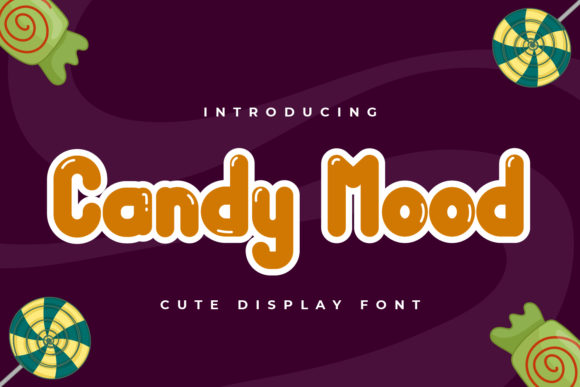
To evaluate any font effectively, one must first understand its visual language. Candy Mood is not designed for body text or long-form reading. Instead, it belongs to the category of display fonts, which are intended to be noticed. Its defining features include rounded edges, playful proportions, and a "down-to-earth" feel that avoids the stiffness of traditional serif or sans-serif faces.
The font’s casual charm is its primary selling point. It conveys approachability, fun, and creativity. When used correctly, it can transform a static design into something that feels personal and engaging. However, this very characteristic introduces a tradeoff: because it is highly stylized, it lacks the neutrality required for dense information hierarchy. Designers must recognize that Candy Mood is best suited for headlines, logos, and short phrases rather than paragraphs of text.
Key Visual Characteristics
- Rounded Geometry: The letterforms avoid sharp angles, creating a soft, friendly impression.
- Informal Weight: The stroke weight is generally consistent but varies enough to maintain interest, avoiding the monotony of heavy block letters.
- Versatile Tone: While inherently cute, the font is versatile enough to fit into modern, minimalist designs if paired with clean, neutral elements.
Comparing Candy Mood with Standard Display Options
When evaluating typography, designers often compare specific display fonts against general categories such as geometric sans-serifs, humanist displays, or handwritten scripts. Understanding where Candy Mood sits within this spectrum helps in making informed decisions.
vs. Geometric Sans-Serifs
Geometric sans-serifs (like Futura or Montserrat) rely on perfect circles and straight lines to convey modernity and precision. In contrast, Candy Mood introduces organic irregularity. If a brand aims for a corporate, tech-forward, or serious image, a geometric sans-serif is typically the superior choice. Candy Mood would likely undermine that seriousness, appearing too whimsical for contexts requiring authority or trust.
vs. Handwritten Scripts
Handwritten fonts mimic the imperfections of human penmanship. While Candy Mood shares the "personal" quality of scripts, it retains more structure and legibility. Scripts can sometimes be difficult to read at small sizes or from a distance. Candy Mood offers a middle ground: it feels handcrafted but remains easy to read due to its clearer letter spacing and defined shapes. This makes it a safer alternative for applications where legibility is critical, such as invitations or packaging labels.
vs. Bold Condensed Fonts
Bold condensed fonts are often used for impactful headlines where space is limited. They project strength and urgency. Candy Mood, being wider and softer, does not compete in this arena. It is better suited for environments where there is ample white space and the goal is to evoke emotion rather than shout a message.
Ideal Use Cases and Applications
The versatility of Candy Mood lies in its ability to adapt to various creative ideas while maintaining its core identity. Below are specific scenarios where this font excels, along with practical tips for implementation.
Branding and Logo Design
For businesses in the children’s sector, craft industries, or lifestyle brands, Candy Mood can serve as an excellent foundation for a logo. Its cute aesthetic aligns well with products aimed at families or those emphasizing joy and simplicity. However, designers should test the logo at various scales. Because the font is detailed, it may lose definition when scaled down to favicon size. In such cases, simplifying the design or using a fallback simpler font for small icons is recommended.
Apparel and Merchandise
T-shirt designs and stickers are common applications for display fonts. Candy Mood’s casual charm translates well to fabric prints, creating garments that feel relaxed and approachable. When designing for apparel, consider the background color. Since the font is often light or pastel in tone, it pairs well with dark backgrounds for high contrast, or with white backgrounds for a subtle, elegant look. Avoid placing it over busy patterns, as the intricate details of the letters may become cluttered.
Digital Content: Blogs and Social Media
In the digital realm, attention spans are short. Candy Mood can be used effectively for blog post titles, social media headers, or quote graphics. Its readability ensures that users can quickly grasp the topic, while its style adds personality to the content. For websites, however, it should never be used for navigation menus or body copy. Reserve it for hero sections or call-to-action buttons where a single word or short phrase needs to stand out.
Print Materials: Invitations and Cards
Invitations benefit from the personal touch that Candy Mood provides. Whether for birthday parties, baby showers, or casual weddings, the font sets a tone of celebration and warmth. When pairing this font with other elements, choose simple borders or minimal illustrations to let the typography shine. Over-decorating the layout can compete with the font’s inherent quirkiness, leading to a cluttered final product.
Tradeoffs and Limitations
No font is universally applicable, and Candy Mood is no exception. Recognizing its limitations is crucial for avoiding design missteps.
Readability at Small Sizes
As mentioned, the stylized nature of Candy Mood means it loses clarity at small sizes. It is not suitable for footnotes, captions, or fine print. If a project requires text that must be readable across all devices and print resolutions, a neutral sans-serif is a more reliable choice. Designers should use Candy Mood only when the text size is large enough to appreciate its details.
Niche Appeal
While versatile within its niche, Candy Mood may not suit every industry. Financial institutions, legal firms, and healthcare providers often require typefaces that convey stability, precision, and trust. Using a "cute" font in these contexts can create a dissonance between the message and the medium, potentially undermining the brand’s credibility. In such cases, sticking to traditional serif or clean sans-serif fonts is advisable.
Lack of Extensive Font Weights
Many modern display fonts come with multiple weights (light, regular, bold, black) to allow for flexible hierarchy. Candy Mood, like many quirky display fonts, may have a limited range of weights. This can restrict the designer’s ability to create strong visual contrast within a single composition. To overcome this, pair Candy Mood with a neutral, multi-weight font to handle secondary information.
Decision Factors: Is Candy Mood Right for Your Project?
Choosing between Candy Mood and other typographic options depends on several factors. Consider the following questions to determine if this font aligns with your project goals.
- What is the emotional tone of the brand or message? If the goal is to evoke joy, playfulness, or approachability, Candy Mood is a strong candidate. If the tone is serious, urgent, or authoritative, look elsewhere.
- How much text will be displayed? For short headlines, quotes, or logos, Candy Mood shines. For long-form content, prioritize readability over style.
- Who is the target audience? If the audience includes children, parents, or creative professionals, the font’s aesthetic is likely to resonate. For audiences expecting professionalism and formality, it may be perceived as unprofessional.
- What is the context of use? Digital screens, print materials, and physical merchandise each present different challenges. Test the font in the actual medium before finalizing the design.
Practical Tips for Implementation
To maximize the effectiveness of Candy Mood, follow these practical guidelines:
- Pair with Neutrals: Combine Candy Mood with clean, simple fonts like Helvetica, Roboto, or Lato. This creates a balance between the quirky headline and the readable supporting text.
- Use White Space: Give the letters room to breathe. Crowding the text diminishes its impact and reduces legibility.
- Test Contrast: Ensure sufficient contrast between the font color and the background. Soft pastels work well on dark backgrounds, while darker shades of the font work well on light backgrounds.
- Limit Usage: Use Candy Mood sparingly. Overusing a display font can lead to visual fatigue and make the design feel chaotic.
Conclusion
Candy Mood is a valuable addition to any designer’s toolkit, particularly for projects that require a touch of whimsy and approachability. Its unique blend of cuteness and readability makes it suitable for branding, merchandise, and digital content. However, its success depends on careful application. By understanding its strengths, acknowledging its limitations, and comparing it to other typographic options, designers can make informed decisions that enhance their creative output. Whether used for a child’s birthday invitation or a trendy t-shirt design, Candy Mood offers a distinctive voice that can elevate a project when used with intention and restraint.