Fire Ace: Why This Fiery Display Font Demands Careful Handling
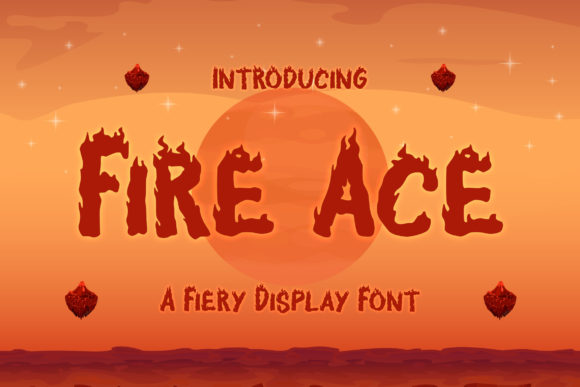
When you need a design that screams intensity, Fire Ace is often the first typeface designers reach for. With its jagged edges, glowing gradients, and an overall aesthetic that feels like it could melt your screen, it captures attention instantly. It is not just a font; it is a statement of heat, danger, and speed. For brands dealing in spicy foods, high-octane racing leagues, or horror-themed entertainment, this creative typeface offers an incredibly hot style that can elevate a campaign from ordinary to unforgettable.
However, the very qualities that make Fire Ace so effective also make it one of the most misused fonts in modern graphic design. Its aggressive nature means that if applied incorrectly, it can overwhelm your message, damage readability, and even repel the audience you are trying to attract. Before you drag and drop this fiery asset into your next project, it is crucial to understand not just how to use it, but when to avoid it entirely.
The Allure and the Trap of High-Impact Typography
Designers are naturally drawn to novelty. Fire Ace provides immediate visual impact. When you see a logo or headline rendered in this style, you know exactly what the brand stands for: boldness, risk, and excitement. It is particularly suitable for spices brands looking to convey the heat level of their products without using words, or speedy races aiming to communicate velocity through static imagery.
The trap lies in assuming that "more impact" always equals "better design." While Fire Ace works brilliantly as a headline or a logo element, it fails miserably as body text. The intricate details, simulated flames, and irregular letterforms create visual noise that forces the reader’s eyes to work harder. If you attempt to set paragraphs of copy in Fire Ace, you will find that comprehension drops significantly. Your audience does not want to struggle to read your content; they want to consume it effortlessly. Using this font for anything other than short, punchy headlines is a common mistake that undermines the professionalism of your design.
Readability vs. Aesthetic
A frequent misunderstanding among beginners is equating complexity with quality. They believe that because Fire Ace looks detailed and custom-made, it must be superior to standard sans-serifs. While it is certainly unique, its primary function is decorative. In typography, decoration should never compromise legibility. When you prioritize the "scary and dangerous feel" over clear communication, you risk alienating potential customers who simply want to know what product you are selling or what event is happening.
To avoid this pitfall, always pair Fire Ace with a neutral, highly readable secondary font. Use Fire Ace for the main title—perhaps three or four words max—and let a clean sans-serif or serif handle the supporting information. This contrast creates a balanced hierarchy where the eye is drawn to the dramatic headline but can still easily digest the details.
Context Matters: Where Fire Ace Shines and Falters
Not every industry benefits from a font that suggests danger or extreme heat. While it is perfect for spicy food ads, it might be counterproductive for a health food company or a corporate finance firm. Even within the realm of spicy foods, context is key. If you are marketing a mild salsa, using Fire Ace might mislead consumers into expecting a scorching experience that leads to disappointment and negative reviews.
Consider your brand voice carefully. Fire Ace implies aggression, passion, and intensity. Does your brand embody these traits? If you are running a charity bake sale, this font will likely feel out of place and potentially off-putting. However, if you are launching a new energy drink or promoting a haunted house attraction, the alignment is nearly perfect.
- Best Uses: Logos, movie posters, gaming banners, sports team mascots, packaging for hot sauces, and promotional banners for extreme sports.
- Poor Uses: Legal documents, instructional manuals, long-form blog posts, medical advice columns, and subtle luxury branding.
Technical Pitfalls: Licensing and File Formats
Beyond aesthetics, there are practical considerations regarding the acquisition and technical implementation of Fire Ace. Many users assume that because a font looks cool, it is free to use everywhere. This is a dangerous assumption. Display fonts like Fire Ace are often sold under specific licenses that restrict usage to digital screens only, or they may require commercial licensing for print materials.
Before downloading or purchasing, check the license agreement thoroughly. Some creators offer personal-use versions for free but charge for commercial applications. Ignoring this can lead to costly legal issues down the line. Furthermore, ensure you are obtaining the file from a reputable source. Pirated fonts often come bundled with malware or may contain corrupted glyphs that break your layout in unexpected ways.
Resolution and Scalability
Another overlooked detail is how Fire Ace behaves at different sizes. Because it relies on complex visual effects to look good, scaling it down too small can result in a muddy, indistinct blob. Conversely, scaling it up without proper vector handling can lead to pixelation if you are using a rasterized version rather than a true vector font. Always verify that you have access to the vector files (such as .AI or .EPS) if you plan to print large-scale signage. Relying solely on low-resolution PNGs will ruin the crisp, sharp edges that give Fire Ace its menacing appeal.
Optimizing for Digital Platforms
If you are using Fire Ace for web design, keep performance in mind. While it is typically a font file and not an image, some implementations involve heavy CSS filters or SVG effects to mimic the flame look. These can slow down page load times, which negatively impacts SEO and user experience. Google’s Core Web Vitals emphasize loading speed, so ensure that your use of Fire Ace does not hinder your site’s performance.
Additionally, consider accessibility. High-contrast, jagged fonts can be difficult for individuals with dyslexia or visual impairments to read. If you are designing for a broad audience, ensure that the background contrasts sharply with the text and that the text size is generous. Never sacrifice accessibility for style; the best designs are inclusive by default.
Final Thoughts on Strategic Application
Fire Ace is a powerful tool in the designer’s arsenal, capable of injecting life and energy into stagnant projects. But power requires control. By understanding its limitations, respecting licensing agreements, and pairing it wisely with complementary typefaces, you can harness its fiery potential without burning your brand’s reputation.
Take the time to mock up your designs in grayscale first. If the hierarchy holds up without the color and the flame effect, you have a solid foundation. Then, add Fire Ace back in to amplify the message, not replace it. When used with intention and restraint, this creative typeface can transform a simple advertisement into a memorable experience that resonates with your target audience.