Integrating Kallise Into Your Design Workflow for Enhanced Visual Impact
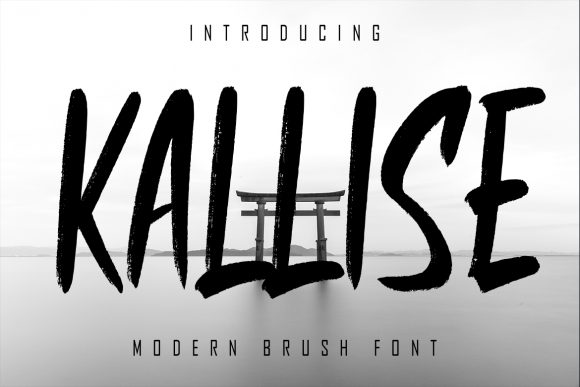
In the realm of graphic design and digital content creation, typography is rarely just a functional necessity; it is a primary vehicle for tone, hierarchy, and brand identity. Among the vast array of typefaces available to designers, Kallise stands out as a distinct asset, particularly for those seeking to introduce texture and character into their visual narratives. As a rough-textured, brushed display font, Kallise offers more than mere legibility—it provides an immediate atmospheric quality that can elevate a project from standard to memorable.
For professionals ranging from freelance marketers to small business owners, integrating a specialized font like Kallise requires more than simply selecting it from a dropdown menu. It involves understanding its placement within a broader creative process, ensuring compatibility with other design elements, and leveraging its unique aesthetic to achieve specific communication goals. This guide explores how to practically implement Kallise into your workflow, focusing on preparation, execution, and long-term consistency.
Understanding the Role of Texture in Modern Design
The current design landscape often oscillates between ultra-minimalist clean lines and highly textured, tactile experiences. Kallise occupies a strategic position in this spectrum. Its brushed, rough texture mimics the physical act of painting or drawing, introducing an element of human imperfection that resonates strongly with audiences tired of sterile, corporate aesthetics. This characteristic makes it an invaluable tool for brands aiming to convey authenticity, craftsmanship, or raw energy.
When planning a project, consider where text needs to carry emotional weight rather than just informational load. Kallise excels in these high-impact moments. However, because of its strong visual presence, it must be integrated carefully. It is not a body text solution but a display font designed to grab attention. Understanding this distinction is the first step in effective implementation. Misusing a heavy display font for long paragraphs can lead to reader fatigue and accessibility issues, undermining the very engagement you seek to create.
Preparation: Assessing Compatibility and Hierarchy
Before opening your design software, the integration of Kallise should begin with a structural assessment of your project. A successful workflow starts with clarity regarding the typographic hierarchy. Since Kallise is a display font, it serves best as a headline, title, or key accent element. The challenge lies in pairing it effectively with secondary fonts that provide contrast without competing for attention.
- Pairing Strategy: Because Kallise has significant visual noise due to its texture, pair it with clean, neutral sans-serif or serif fonts for supporting text. This contrast ensures that while Kallise draws the eye, the underlying information remains readable.
- Color Considerations: The rough texture of Kallise interacts differently with various background colors. Dark backgrounds may enhance the "brushed" effect, making the letters appear carved or painted, while light backgrounds might require careful adjustment of font weight to prevent the texture from looking muddy or indistinct.
- Scalability Check: Always preview Kallise at the sizes it will actually be used. Display fonts often lose their defining characteristics when scaled down too small. Ensure that the rough edges remain distinct and do not blur together on mobile screens or printed materials.
This preparatory phase is crucial for maintaining consistency across different platforms. Whether you are designing a website header, a social media campaign, or a print brochure, establishing these rules early prevents mid-project revisions and ensures a cohesive final output.
Implementation: Strategic Placement in Creative Workflows
Once the preparatory steps are complete, the actual implementation of Kallise depends on the medium and the message. Here is how this font can be integrated into specific stages of common workflows.
Digital Marketing and Social Media
In the fast-paced environment of social media, visuals must stop the scroll. Kallise’s textured appearance is ideal for quote graphics, promotional banners, and event announcements. When creating content for platforms like Instagram or LinkedIn, use Kallise for the main hook or headline. For instance, a fitness coach might use Kallise for a bold statement like "UNLEASH YOUR POTENTIAL," leveraging the rough texture to subconsciously signal strength and grit. The key here is balance; keep the rest of the graphic simple so the font remains the focal point.
Branding and Identity Design
For entrepreneurs and small business owners building a brand identity, Kallise can serve as a distinctive logo mark or wordmark component. It works exceptionally well for industries such as artisanal food production, craft breweries, outdoor apparel, or handmade jewelry. These sectors benefit from the organic, handcrafted feel that Kallise provides. During the branding process, test the font alongside your color palette and imagery. If your brand relies on soft pastels, Kallise might create a jarring contrast unless used sparingly as an accent. Conversely, if your brand uses earth tones and rugged imagery, Kallise becomes a natural extension of the visual language.
Editorial and Publishing
Educators, bloggers, and publishers can utilize Kallise to break up monotony in long-form content. While it should never replace body copy, using Kallise for pull quotes, section headers, or chapter titles can add a layer of sophistication and personality to digital articles or e-books. This usage enhances user experience by providing visual breaks that guide the reader through the content. It signals a shift in topic or emphasis, helping readers navigate complex information more easily.
Quality Control and Technical Execution
Implementing Kallise correctly requires attention to technical details that affect the final quality of the output. One common pitfall is ignoring kerning and tracking. Due to the irregular shapes of the brush strokes, default spacing may sometimes feel uneven. Manually adjusting the space between characters can significantly improve readability and aesthetic appeal. Take the time to review each headline individually, ensuring that the gaps between letters feel balanced and intentional.
Another critical aspect is file format and resolution. If you are using Kallise in vector-based designs (such as logos), ensure you have access to the vector version of the font to maintain crispness at any scale. For raster-based applications (like web images), export at high resolutions to preserve the fine details of the texture. Blurry textures can make a professional design look amateurish, defeating the purpose of choosing a high-quality display font.
Additionally, consider accessibility standards. High contrast between the text and background is essential, especially when dealing with textured fonts that may have varying stroke widths. Use tools to check contrast ratios, ensuring that your use of Kallise complies with Web Content Accessibility Guidelines (WCAG). This not only broadens your audience reach but also demonstrates a commitment to inclusive design practices.
Long-Term Integration and Asset Management
For professionals who frequently update their creative assets, managing fonts efficiently is part of a sustainable workflow. Kallise, like any specialized font, should be organized within your design library with clear tags and metadata. Labeling it appropriately allows for quick retrieval during future projects, saving valuable time during the ideation phase.
Furthermore, document your usage guidelines. Create a brief style guide entry for Kallise that specifies approved pairings, minimum sizes, and color restrictions. This documentation serves as a reference for team members, freelancers, or even your future self, ensuring that the font is used consistently over time. Consistency builds recognition, and recognizing a brand’s visual voice is a powerful outcome of disciplined asset management.
As you continue to explore the capabilities of Kallise, remember that its strength lies in its ability to add depth and character. By approaching its integration with a focus on preparation, strategic placement, and technical precision, you can leverage this rough-textured font to create compelling, professional, and impactful designs. Whether you are launching a new product, refreshing a brand identity, or enhancing daily communications, Kallise offers a versatile tool to help your message stand out in a crowded digital landscape.
Ultimately, the value of any font in your library is determined by how seamlessly it fits into your creative process. Kallise is not just a stylistic choice; it is a functional asset that, when used thoughtfully, elevates the entire narrative of your work. Embrace its texture, respect its limitations, and let it contribute to the distinctive voice of your projects.